


Have you ever wondered what hospitality as a way of life truly looks like once you strip away the fancy table settings and the perfectly timed dinner parties? Real hospitality is quieter than that. It shows up in a warm glance, an open door, a chair pulled out for someone who feels like they do not belong anywhere. This article walks through what biblical hospitality really means, why it matters more today than ever, and how anyone can start living it out, one small act of kindness at a time.
What Hospitality as a Way of Life Really Means
Hospitality is often pictured as something formal. A clean house. A full table. Guests arriving with an invitation already in hand. But true hospitality runs much deeper than entertaining.
At its root, hospitality is the practice of making room for someone else, even when it costs you something. It is choosing to notice a person instead of looking past them. Scripture frames this as more than a nice gesture. It calls believers to practice hospitality as an ongoing rhythm of faith, not a once-in-a-while event reserved for holidays or special guests.
When hospitality becomes a way of life rather than an occasional duty, it changes how we see strangers, neighbors, and even people who are difficult to love. It softens our schedules and our hearts at the same time.
A few markers of this kind of lifestyle hospitality include:
- Looking for ways to welcome people who feel unseen
- Offering comfort before being asked
- Sharing what you have, even when it is limited
- Treating strangers with the same warmth as family
The Heart Behind Genuine Welcome
Anyone can say the word welcome. Far fewer people actually mean it in a way that another person can feel.
Genuine welcome begins long before someone walks through your door. It begins in the posture of your heart, in whether you view people as interruptions or as opportunities. The Bible repeatedly ties hospitality to love of neighbor, reminding believers that how we treat the outsider, the traveler, and the unfamiliar face reveals what we actually believe about God.
Romans 12:13 instructs believers to share with those in need and to pursue hospitality eagerly, not reluctantly. That single word, eagerly, changes everything. It moves hospitality from a chore into a calling. It suggests that welcoming others should feel less like an obligation and more like joy.
When the heart behind hospitality is genuine, the gesture does not need to be elaborate. A simple smile, a kind word, or a few minutes of undivided attention can carry the same weight as an extravagant gift, because the giver behind it is sincere.
Also Read: Beyond Grades: Inspiring Words Every Parent Should Hear Before Exams
Biblical Hospitality and the Stranger at the Door
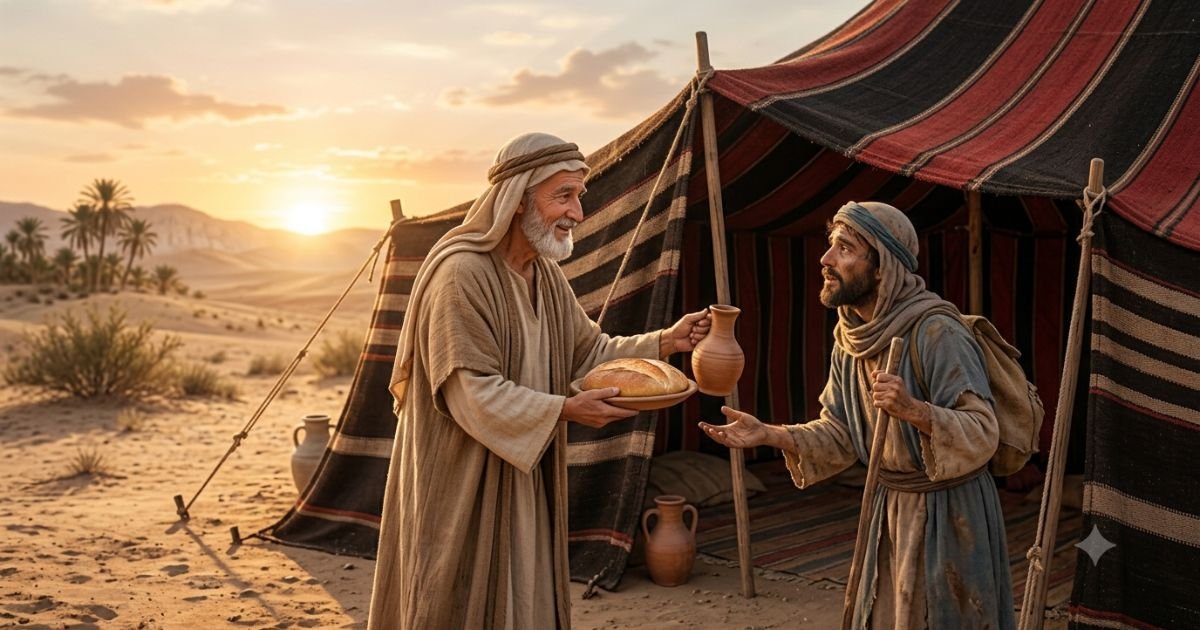
Few themes appear as often in Scripture as the call to welcome the stranger. From Abraham hosting visitors under the oaks of Mamre to the early church sharing meals and homes with one another, hospitality has always been central to a life of faith.
Hebrews 13:2 reminds believers not to forget to show hospitality to strangers, for in doing so, some have entertained angels without knowing it. That verse alone reshapes how we should approach unfamiliar faces. We are encouraged to treat every guest as though they might carry something sacred, because we simply do not know who they are or what they are carrying.
This is the heartbeat of biblical hospitality. It is not reserved for people who look like us, think like us, or worship exactly like us. It extends outward, toward the traveler, the newcomer, and the person nobody else seems to notice.
In a culture that often teaches caution toward strangers, this kind of radical welcome can feel countercultural. Yet it remains one of the clearest ways believers are called to reflect the character of God.
The Gift of Hospitality in Everyday Moments
Not everyone has the same resources, the same home, or the same amount of free time. Hospitality does not require any of those things in abundance. It only requires willingness.
The gift of hospitality often shows up in the smallest, most ordinary moments of an average day. It looks like:
- Pausing a busy errand to listen to someone who needs to talk
- Inviting a coworker to sit with you instead of eating alone
- Bringing a meal to a neighbor going through a hard season
- Making space at the table for one more chair, even when things feel tight
These moments rarely make headlines, yet they shape the emotional memory of the people who receive them. People may forget the exact words spoken to them, but they almost never forget how someone made them feel welcome in a difficult or unfamiliar moment.
Hospitality lived this way becomes less about hosting and more about noticing. It is the daily discipline of paying attention to who might need a place to belong.
Why Hospitality Shapes Community and Connection
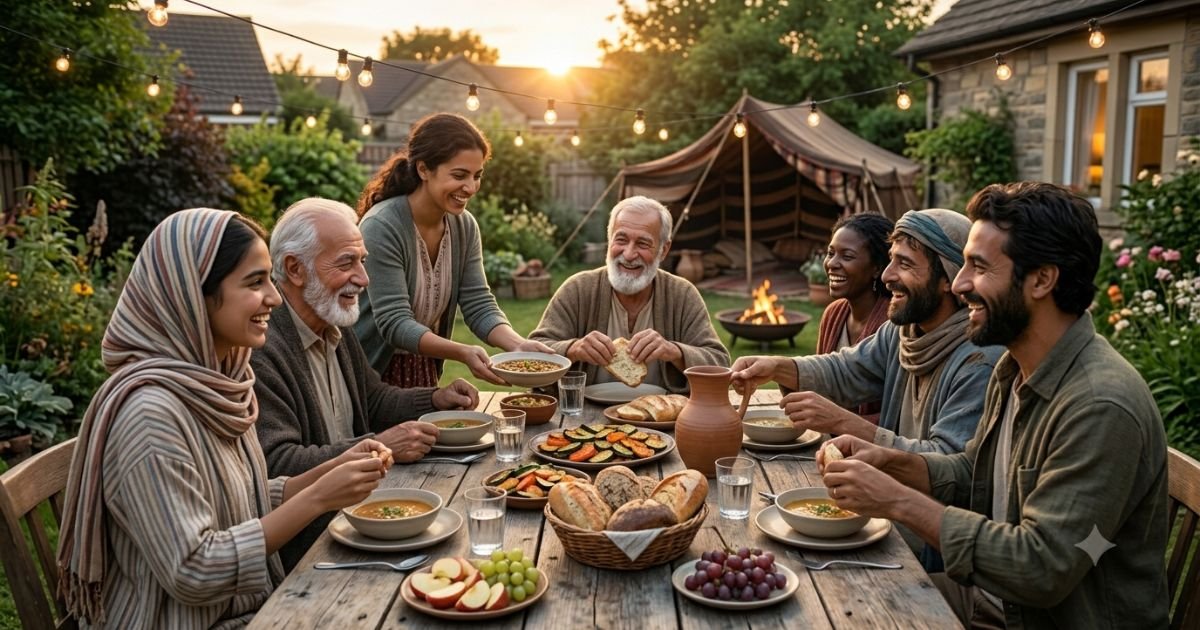
Communities are not built through grand events. They are built through countless small interactions where people choose to show up for one another.
When hospitality becomes part of a community’s rhythm, isolation begins to lose its grip. People who once felt invisible start to feel seen. Newcomers who once felt out of place begin to feel at home. This is part of why churches, neighborhoods, and families that practice hospitality consistently tend to feel warmer and more connected than those that do not.
Hospitality also breaks down barriers that distance often creates. A shared meal or an open conversation can soften tension between people who might otherwise stay strangers. It builds trust slowly, through repeated small acts rather than one dramatic gesture.
In this way, hospitality functions almost like a quiet form of ministry. It does not require a platform or a title. It only requires a willingness to make room for someone else in the middle of an ordinary day.
Also Read: The Power of a Shoulder to Lean On
Practicing Hospitality Without Feeling Overwhelmed
One of the biggest obstacles to hospitality is the fear that it has to be perfect. Many people avoid inviting others into their homes or lives because they worry their space is not impressive enough, their cooking is not skilled enough, or their schedule is too full.
True hospitality does not ask for perfection. It asks for presence.
A few gentle ways to practice hospitality without becoming overwhelmed include:
- Starting small, with one act of kindness a day
- Offering coffee or tea instead of a full meal
- Sending a thoughtful message to someone who feels distant
- Welcoming people exactly as your life is, without rearranging everything first
Hospitality grows easier the more it becomes a habit rather than an event. Over time, it stops feeling like a performance and starts feeling like a natural extension of who you are.
Living Out Hospitality as a Daily Discipline
Hospitality as a way of life is less about hosting dinner parties and more about training your eyes to notice people the way God notices them. It is a daily discipline, something practiced quietly long before it ever becomes visible to others.
This kind of hospitality often costs something. It might cost time, comfort, or convenience. Yet it consistently gives back far more than it takes, both to the person receiving it and to the one offering it.
When hospitality becomes daily rather than occasional, it shapes character. It builds patience, humility, and compassion in ways that few other practices can. It teaches us to see people first, before we see their differences, their needs, or their inconvenience to our plans.
Frequently Asked Questions
What does it mean to practice hospitality as a way of life?
It means making welcome a daily habit instead of an occasional event. It shows up in small, consistent acts of kindness toward both familiar faces and strangers.
What does the Bible say about hospitality?
Scripture calls believers to pursue hospitality eagerly and to welcome strangers with open hearts. Verses like Romans 12:13 and Hebrews 13:2 highlight hospitality as a core expression of faith.
How can I practice hospitality if I do not have much time or money?
Hospitality does not require wealth or a perfect home. A kind word, a listening ear, or a simple cup of coffee can carry just as much warmth as an elaborate gesture.
Why is showing hospitality to strangers important?
Hebrews 13:2 reminds believers that strangers may carry more significance than we realize. Welcoming the unfamiliar reflects compassion and trust rather than fear.
How does hospitality build stronger communities?
Hospitality breaks down isolation by helping people feel seen and valued. Repeated small acts of welcome build trust and connection over time within families, churches, and neighborhoods.
What is the difference between hosting and true hospitality?
Hosting often focuses on impressing guests, while true hospitality focuses on making someone feel comfortable and valued. It is about presence, not perfection.
Conclusion
Hospitality as a way of life is never just about saying welcome. It is about the quiet, consistent choice to make room for someone else, even when it costs us comfort or convenience. It is found in shared meals, open doors, and gentle words offered to people who simply needed to feel seen that day.
When we choose to live this way, we begin to reflect something far greater than good manners. We reflect the heart of a God who welcomed the stranger, the outsider, and the weary traveler with open arms. May we carry that same spirit forward, one small act of kindness at a time, trusting that even the simplest welcome can leave a lasting and hopeful impression on someone’s heart.

Welcome to Blessing Bloom. I’m Ahsan Ali, founder of BlessingBloom.com a faith-based website dedicated to sharing prayers, blessings, and heartfelt wishes. Based in Islamabad, Pakistan, I created Blessing Bloom to help people find the right words during life’s most meaningful moments. With a background in Information Technology, I combine a passion for digital content with a genuine love for faith-inspired writing.